Programs
EARLY INTERVENTION
Areas We Focus:
- Cognitive Skills: Learning, thinking, and problem-solving.
- Physical Skills: Gross and fine motor skills like crawling, walking, or drawing.
- Communication Skills: Talking, listening, and understanding.
- Social/Emotional Skills: Playing and interacting with others.
- Adaptive/Self-Help Skills: Bowl And Bladder Control, School readiness , Dressing and eating.
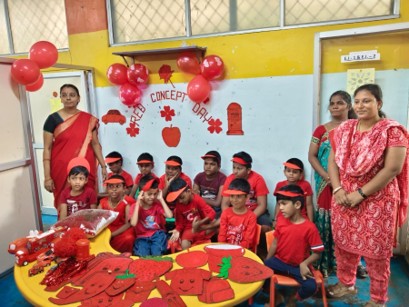
CLASS I – V
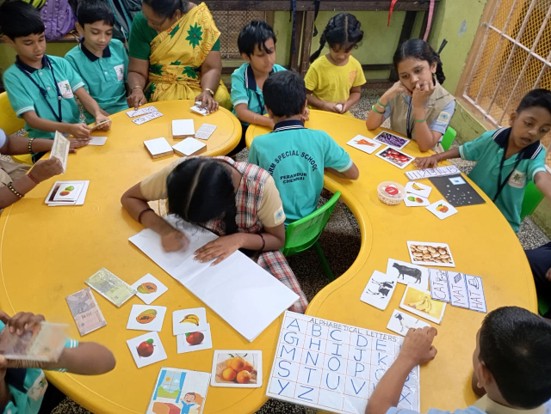
CLASS I – V (SPECIAL EDUCATION)
Individualized Instruction: Services are tailored to each child's unique needs, ranging from specialized academic instruction to therapies (speech, occupational).IEP (Individualized Education Program): A legally binding document that defines the specific goals, services, and accommodations a student will receive.
Modified Curriculum: Adjusting materials to match the student's learning level.Specialized Staff: Trained professionals, including special education teachers, paraprofessionals, and therapists.Assistive Technology: Tools to aid communication or learning.
CLASS I –V (SAMACHEER)
Samacheer Kalvi (Uniform System of School Education) in Tamil Nadu, when combined with Individualized Education Programs (IEPs), refers to the adaptation of the state’s standardized curriculum to meet the specific learning needs of children with disabilities (CwSN). Under this framework, while students follow the same,5,10,12th-grade curriculum, the instruction, assessment, and materials are tailored for accessibility. Support Services: IEPs often include specialized support such as, but not limited to, remedial classes, special education for slow learners, behavioral training, and therapeutic interventions (physiotherapy, occupational therapy, speech therapy).Implementation: IEPs are developed in consultation with parents, teachers, and specialists, focusing on the "least restrictive environment," meaning students are educated alongside their peers whenever possible.
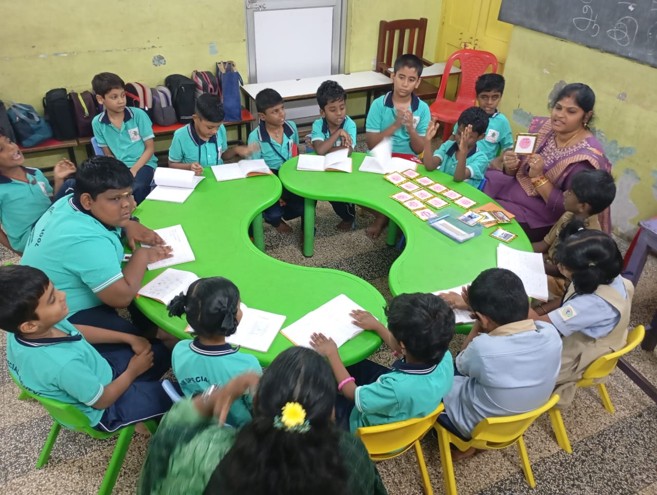
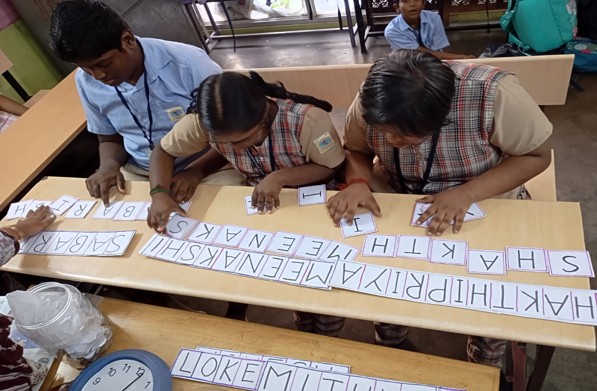
FUNCTIONAL ACADEMICS
Functional academics in special education teaches practical, real-world skills (like reading signs, managing money, telling time, self-care, cooking) from core subjects (reading, math, writing) to help students with disabilities achieve independence in daily life, work, and the community, focusing on meaningful application rather than abstract theory. It's a vital part of a student's Individualized Education Program (IEP), preparing them for successful adult living and post-school success.
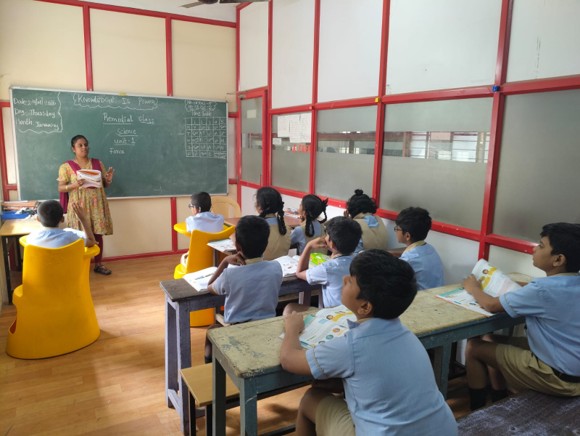
REMEDIAL CLASS
Remedial education is a specialized,, supportive instruction designed for students who are falling behind in core academic subjects like reading, writing, or mathematics. It focuses on closing learning gaps, reinforcing foundational skills, and increasing student confidence through personalized, small-group, or individual instruction.
PHYSICAL TRAINING
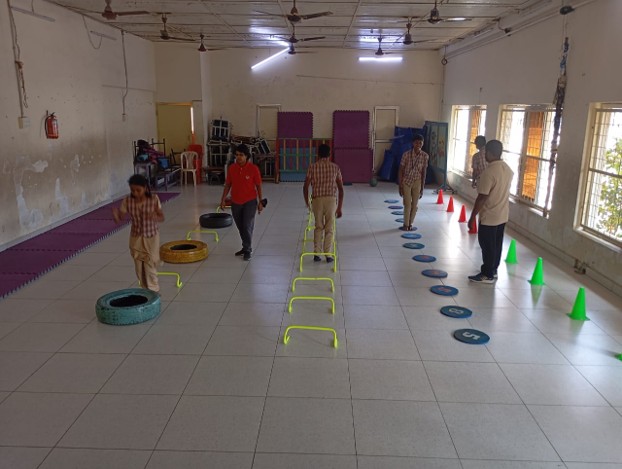
PHYSICAL EDUCATION :Inclusion & Equality: Ensures children with disabilities have the same opportunities as peers, fostering belonging and recognition of unique strengths.Skill Development: Improves gross motor skills, coordination, strength, flexibility, balance, and endurance.Health & Well-being: Reduces stress, anxiety, controls obesity, boosts self-esteem, and encourages active lifestyles.Social Skills: Teaches teamwork, communication, and cooperation in group settings